

Wildlife of Wasgamuwa
23 mammal species, 17 reptiles and some of Sri Lanka's largest elephant herds share this dry-zone forest and grassland.
- Mammal Species
- 23
- Elephants
- ~150
- Reptile Species
- 17
- Endemic Reptiles
- 5
- Sloth Bears
- Resident
- Leopards
- Present, elusive
Villu Aliya — Elephants of the Water Meadows
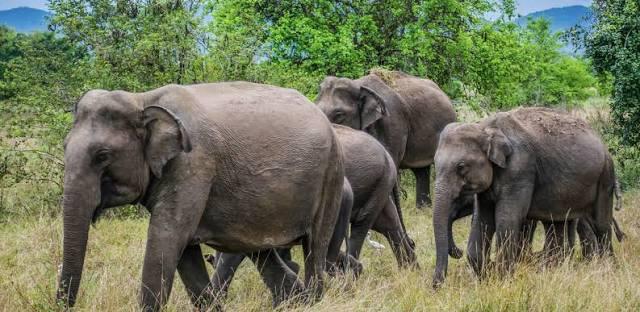
Wasgamuwa is home to roughly 150 Sri Lankan elephants, often moving as herds that number in the dozens. Locals call them villu aliya, “water elephants,” for their habit of grazing the marshy villu grasslands along the Mahaweli River — a rich diet that tends to produce unusually large animals. Herds swell further between November and May, when elephants from surrounding areas converge on the park to feed.
Unlike the more heavily visited southern parks, sightings here rarely mean a queue of jeeps — often it's just your vehicle and the herd.
Sloth Bears & Leopards
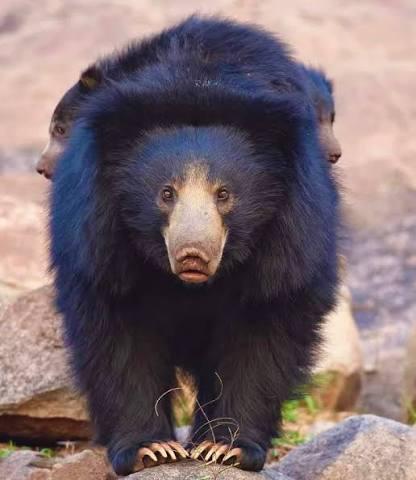
Sloth bears are the animal the park is named for, and Wasgamuwa remains one of the more consistent places in Sri Lanka to look for them — mothers are sometimes seen carrying cubs on their backs, a behaviour rarely photographed elsewhere. Leopards are present too, but far more elusive; they hunt mostly at dawn and dusk and stay close to cover, so a sighting is a genuine highlight rather than a routine one.
Other Mammals
Alongside the headline species, Wasgamuwa holds purple-faced langurs and toque macaques in its forest canopy, water buffalo and wild boar along the river flats, and both sambar and axis (spotted) deer grazing the open grassland. The rare and largely nocturnal golden palm civet is also recorded here, though seldom seen.
Reptiles
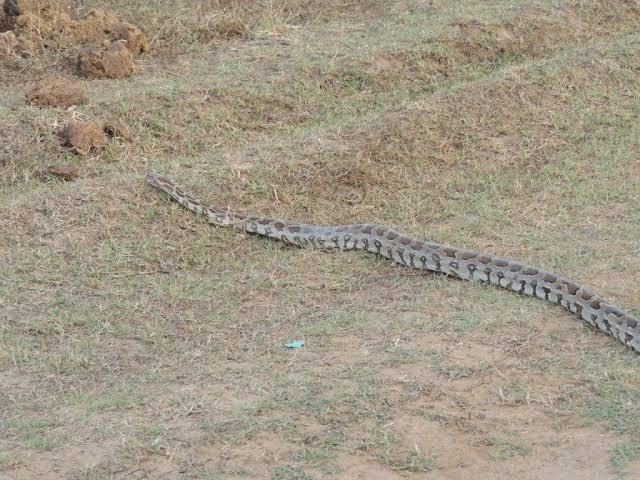
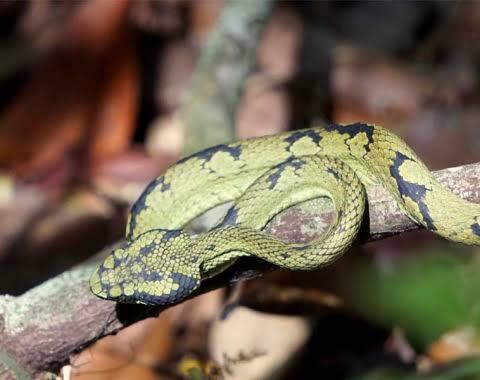
The park's 17 reptile species include mugger crocodiles and water monitors in its rivers and tanks, alongside snakes such as the Indian rock python and the vivid Sri Lankan green pit viper — five of the park's reptiles are found nowhere outside Sri Lanka.
Wasgamuwa also holds more than 140 recorded bird species — see the birds page for the full picture, or the best time to visit page to plan around peak elephant season.
Continue Exploring
See where these animals live, when to visit, and the history layered into their habitat.
Size, location, entry points and the rules of a park named for the sloth bear.
Read More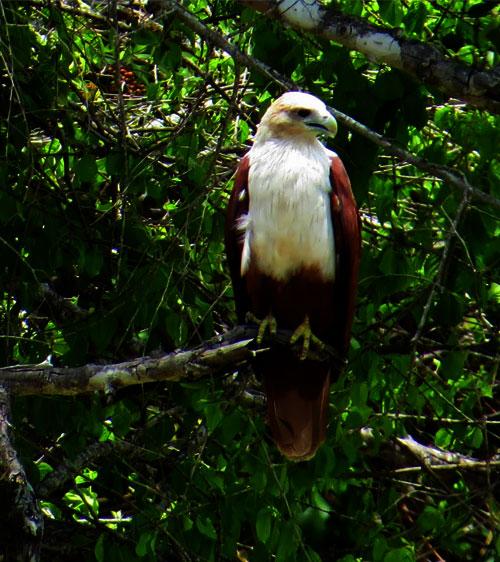
143 recorded species, 8 found only in Sri Lanka, from riverine raptors to migrant waders.
Read More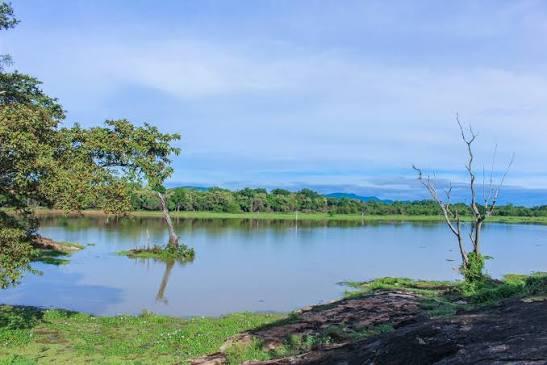
Dry-zone forest, riverine jungle and the Mahaweli River, Sri Lanka's longest, along its border.
Read MoreAncient tanks built by King Parakramabahu I and a battleground from Sri Lanka's early kingdoms.
Read More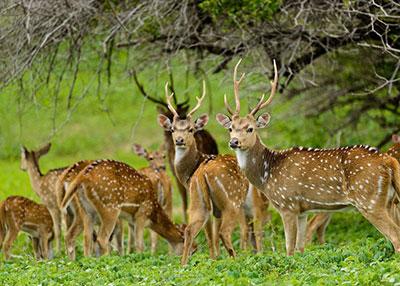
When the herds gather, when the migrants arrive, and how the seasons shape a safari here.
Read MoreFrequently Asked Questions
Are there leopards in Wasgamuwa National Park?
Yes, but they're rarely seen. Wasgamuwa's leopards are present in low density and stay deep in cover, so sightings are a matter of luck rather than routine — unlike the herds and bears, which show up far more reliably.
How many elephants live in Wasgamuwa National Park?
Around 150 Sri Lankan elephants live in and around the park, often moving in large family herds. Numbers swell further between November and May as herds gather near the Mahaweli River and its grassy floodplains.
Is Wasgamuwa good for seeing sloth bears?
Wasgamuwa is one of the better places in Sri Lanka to look for sloth bears, and the park's name literally means "wood of the sloth bear." They're still shy and most active early morning, but signs of digging and movement turn up regularly on dawn safaris.