

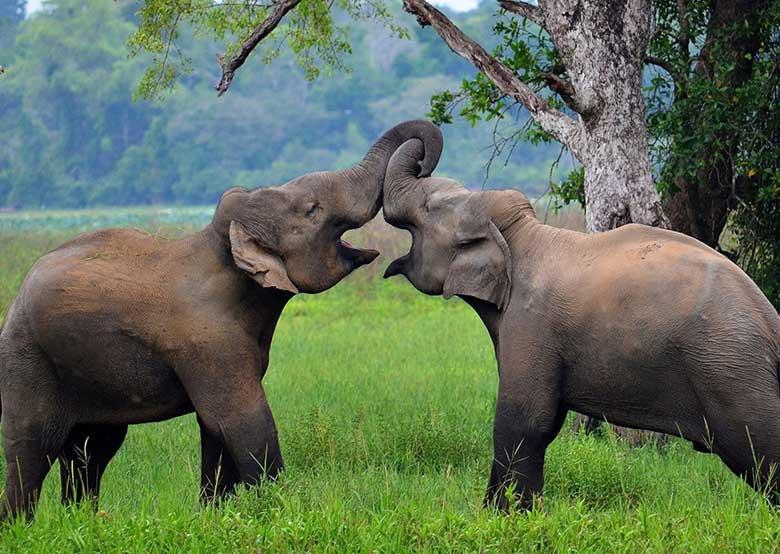
Wasgamuwa National Park
Dry-zone forest, open grassland and the Mahaweli River, home to some of Sri Lanka's largest elephant herds — and a fraction of the crowds you'll find elsewhere.
- Established
- 1984
- Size
- 393 km²
- Elephants
- ~150
- Bird Species
- 143
- Highest Point
- 470 m
- From Colombo
- 225 km
About Wasgamuwa National Park
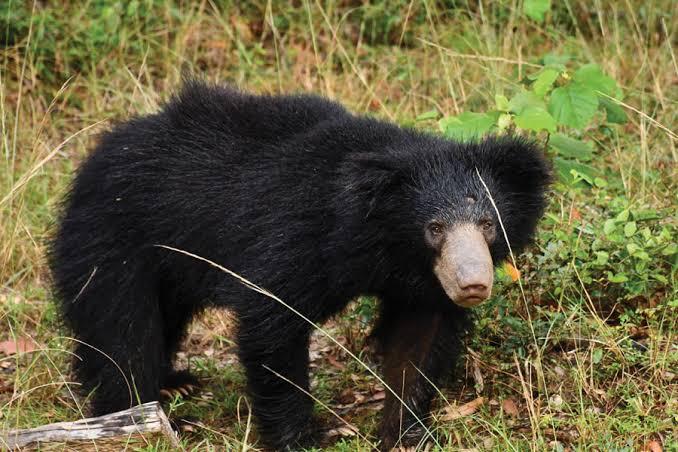
In Sinhala, “Was” means sloth bear and “Gamuwa” means wood — Wasgamuwa, the wood of the sloth bear. It's a fitting name for a park that still feels like a secret: 393 square kilometres of dry-zone forest, riverine jungle and open grassland in the heart of Sri Lanka, bounded on one side by the Mahaweli River, the island's longest.
Wasgamuwa was declared a national park in 1984, but its story starts earlier. The land was set aside as a nature reserve in 1938, then reclassified as a strict nature reserve in the early 1970s, before the Mahaweli Development Project reshaped much of central Sri Lanka — damming rivers, flooding valleys, and displacing the animals that lived in them. Wasgamuwa became their refuge, and the herds that settled here have never really left.
What makes it worth the detour today is what it doesn't have: crowds. While Yala and Udawalawe fill with jeep convoys, Wasgamuwa's safaris are often close to private, following elephant herds that can run well over a hundred strong — locally called villu aliya, or “water elephants,” for their taste in marshland grass. Sloth bears, leopards and more than 140 bird species share the same dry-zone forest, much of it still marked by the tanks and canals of a much older Sri Lanka.
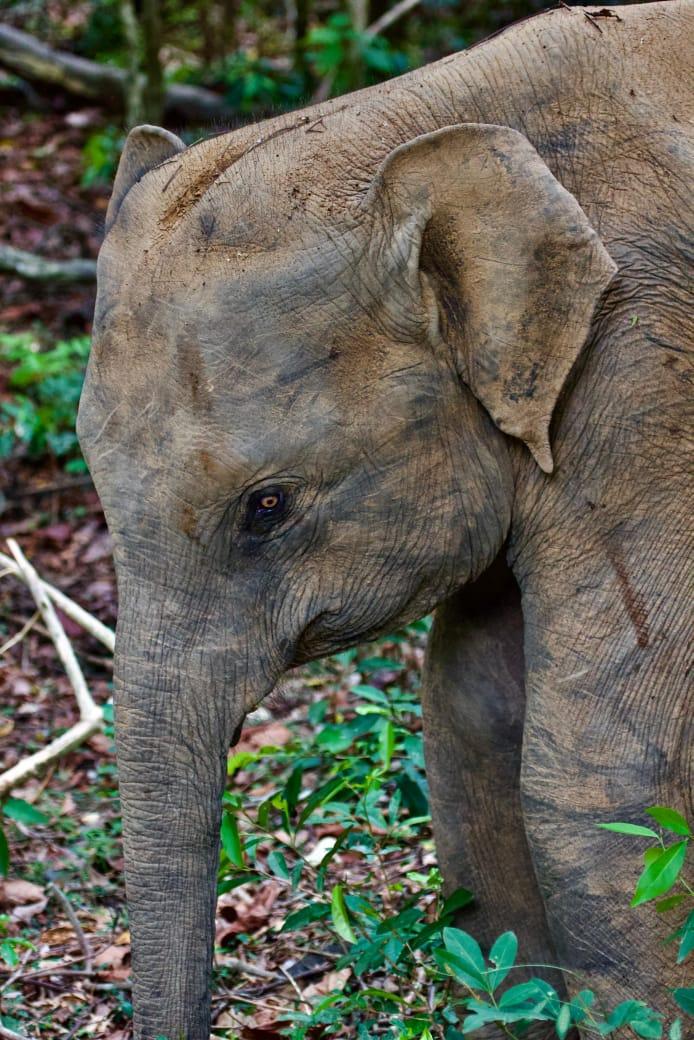
Quieter Than Yala
A fraction of the visitor numbers, so safaris often run close to private — a handful of jeeps, if that, at any sighting.
Sri Lanka's Biggest Herds
Elephant herds here can run well over a hundred strong — among the largest gatherings recorded anywhere on the island.
A Landscape With History
Ancient irrigation tanks and a ruined battleground from Sri Lanka's early kingdoms sit quietly inside the park's forest.
Explore Wasgamuwa
Six ways into the park, from its wildlife to its ancient past.
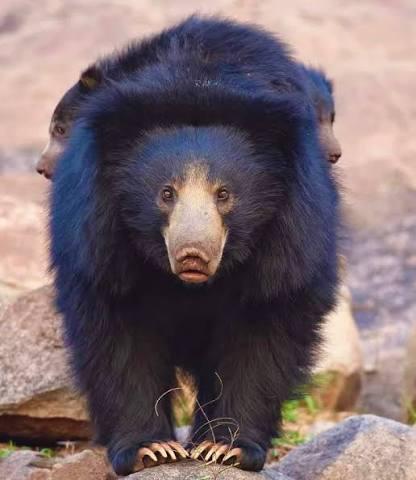
Size, location, entry points and the rules of a park named for the sloth bear.
Read More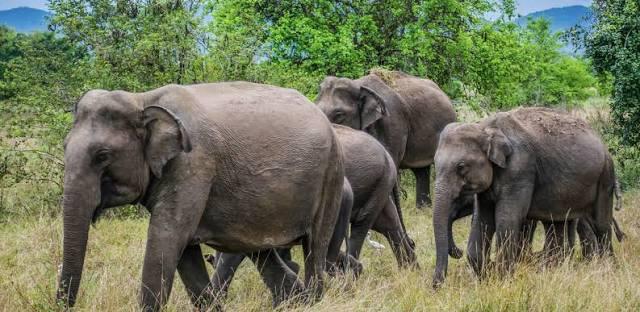
Elephant herds up to 150 strong, sloth bears, leopards and the animals that call Wasgamuwa home.
Read More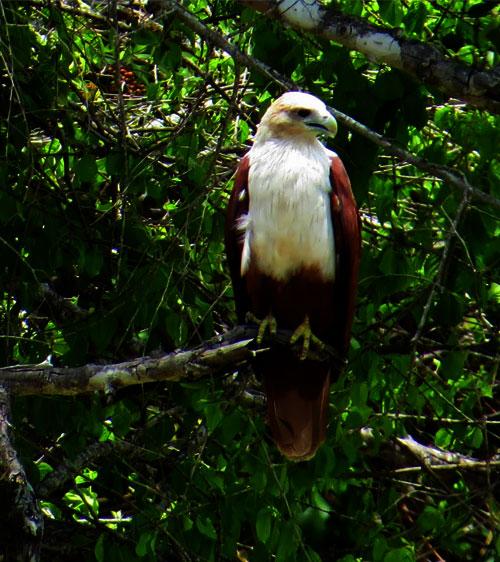
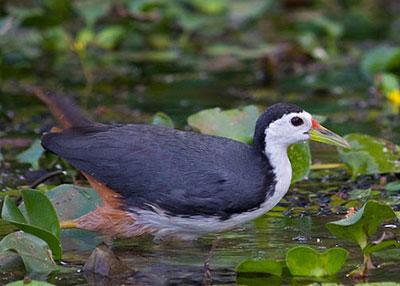
143 recorded species, 8 found only in Sri Lanka, from riverine raptors to migrant waders.
Read More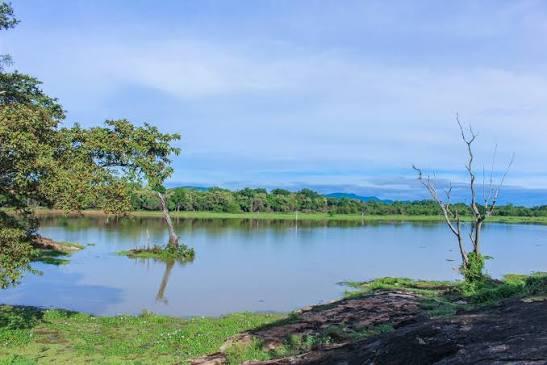
Dry-zone forest, riverine jungle and the Mahaweli River, Sri Lanka's longest, along its border.
Read MoreAncient tanks built by King Parakramabahu I and a battleground from Sri Lanka's early kingdoms.
Read More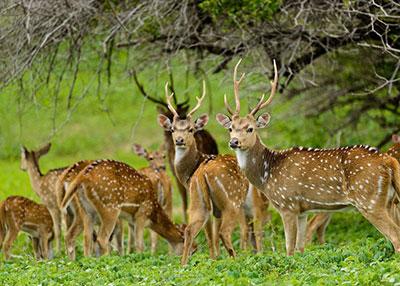
When the herds gather, when the migrants arrive, and how the seasons shape a safari here.
Read MoreWhere Wasgamuwa Sits
Wasgamuwa National Park spans the Matale and Polonnaruwa districts of central Sri Lanka, bordered by the Mahaweli River. It sits just outside the Cultural Triangle, close enough to combine with Sigiriya, Dambulla or Polonnaruwa, but far enough off the main tourist route to stay quiet.
| From | Distance | Travel Time |
|---|---|---|
| Colombo | 225 km | ~4.5 hrs by road |
| Kandy | ~110 km | ~2 hrs 20 min via Mahiyanganaya |
| Sigiriya | ~75 km | ~1.5–2 hrs |
| Dambulla | ~70 km | ~1.5 hrs |
| Polonnaruwa | ~65 km | ~1.5 hrs |
Only 4x4 jeep safaris are permitted inside the park, and the gates run 6 AM–6 PM daily.
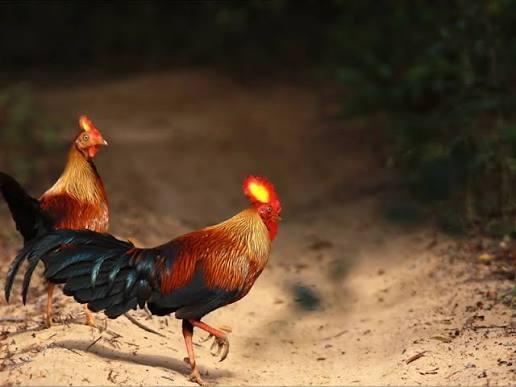
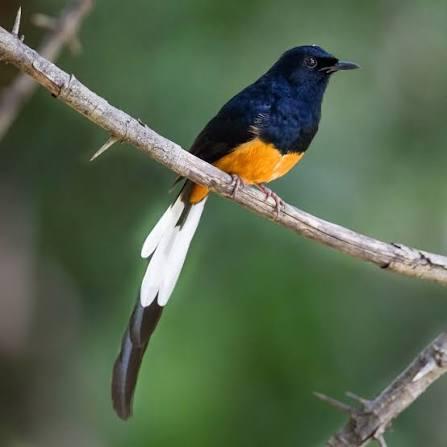
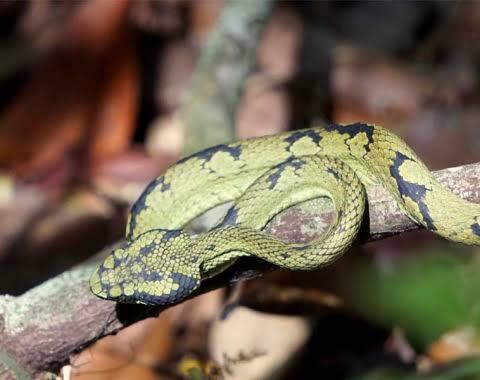
Wasgamuwa in Frame
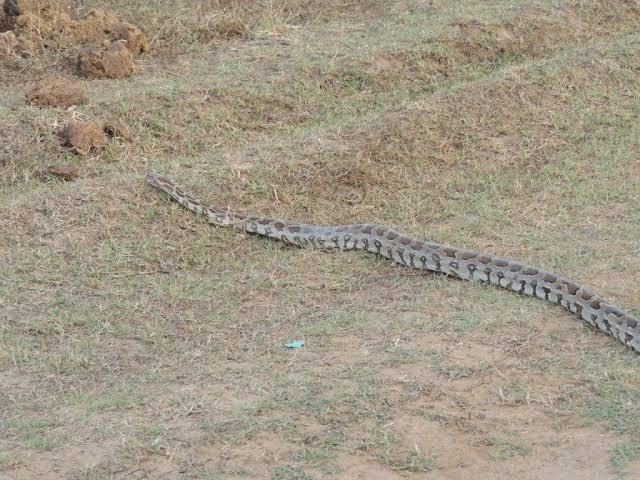
A small sample of what turns up on a morning drive — from apex raptors to the park's more elusive residents.
Frequently Asked Questions
Where is Wasgamuwa National Park located?
Wasgamuwa National Park lies in the Matale and Polonnaruwa districts of central Sri Lanka, about 225 km (roughly four and a half hours by road) northeast of Colombo and around two hours from Kandy. The Mahaweli River, Sri Lanka's longest, runs along its eastern boundary.
What animals can you see in Wasgamuwa National Park?
Wasgamuwa is best known for large herds of Sri Lankan elephants, sometimes over a hundred strong, alongside sloth bears, leopards, purple-faced langurs, toque macaques, sambar and spotted deer, water buffalo, and more than 140 recorded bird species, including eight found only in Sri Lanka.
What is the best time to visit Wasgamuwa National Park?
July to September and January to April bring the driest weather and the most reliable game viewing. Elephant herds are largest from November to May as they gather near the Mahaweli River, and migratory birds arrive between November and April. The park is open year-round, 6 AM to 6 PM.
How is Wasgamuwa different from Yala or Udawalawe National Park?
Wasgamuwa receives a fraction of the visitors that Yala and Udawalawe do, so safaris here often feel close to private, with far fewer jeeps at any sighting. Its elephant herds are among Sri Lanka's largest, and its dry-zone forest holds both dense wildlife and centuries-old ruins.
How many days do you need for a Wasgamuwa safari?
One full day of morning and afternoon safaris delivers strong wildlife sightings, but two to three days with a local guide who tracks the herds' movements gives a much better chance of elephants, sloth bears and the park's shier residents.
Why is it called Wasgamuwa National Park?
The name comes from Sinhala: "Was" (sloth bear) and "Gamuwa" (wood or forest) — the wood of the sloth bear. The park was declared in 1984 as a refuge for wildlife displaced by the Mahaweli Development Project, on land protected as a nature reserve since 1938.
Ready to see Wasgamuwa for yourself?
Bandara has guided its trails for over 18 years. Let's plan a private safari built around what you want to see.
Plan Your Safari